-
September 10, 2026
-
September 10, 2026
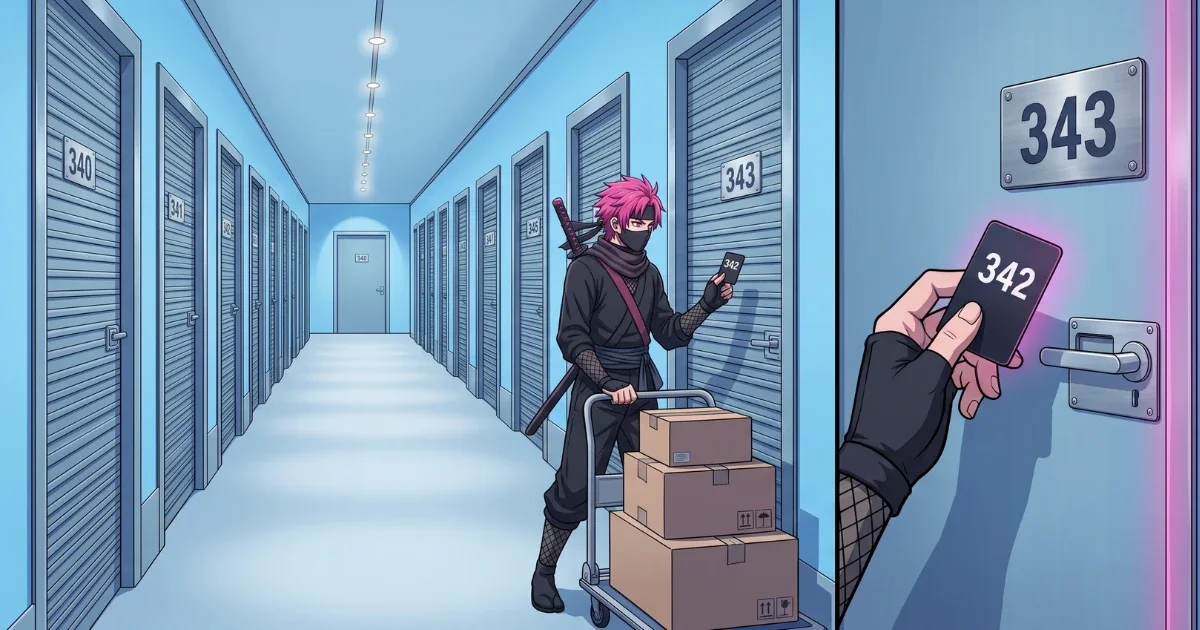
AI can accelerate reconnaissance, generate convincing social-engineering content, and assist with malicious code development. But what happens when AI is no longer just the weapon, and the AI workspace itself becomes the attack surface?
Employees from a medical technology company received invitations to join what looked like their employer's Claude environment. The invitations came through Anthropic's real infrastructure, pointed to the real Claude service, and used a real authentication flow. Everything about the delivery was legitimate.
But the organization issuing the invitations was not legitimate. An attacker had created a workspace with a name closely resembling the victim company and used it to pull corporate data into a tenant the company didn't control. The result - sensitive company data was voluntarily exfiltrated from employees’ endpoints to an attacker.
Here’s how the attack unfolded:
The attacker creates an organization in the target AI service (in this case, Claude) and uses a lookalike name or a homoglyph attack: a display name that resembles the victim. The variation may use a duplicated character, punctuation change, abbreviation, subsidiary name, or other difference that is easy to overlook in an account selector or invitation screen.
Policies that check only domain or display name can't tell the victim's tenant from the attacker's, since the identifier that matters is the immutable tenant ID assigned by the provider.
The attacker sources employee emails from company pages, LinkedIn, conference materials, breach data, or contact databases, then uses the provider's normal invite flow. This breaks several trust signals the organization relied on:
None of that confirms that the inviting organization is the employee's company, only that the provider sent the invite.
The recipient authenticates normally and accepts the invitation, and the employee's account joins the attacker's organization.
The employee’s identity is genuine, but the tenant context is wrong. However, controls that record only the application name, destination domain, process, or successful authentication event might classify the session as benign.
If the employee begins using the workspace for normal business tasks, they might submit sensitive information through prompts, uploaded files, connected applications, or coding workflows.
Potentially exposed information can include credentials, API keys, and access tokens, proprietary business documents, customer or patient information, internal product plans and intellectual property, source code and engineering documentation, and sensitive details about internal systems and processes.
This information could also enable lateral movement within the environment, as attackers use valid credentials to access the endpoint and potentially reach repositories, cloud resources, or internal applications. From there, the incident could lead to data exposure, unauthorized access, privilege escalation, or broader compromise across connected systems.
The attack depends on four conditions:
The attacker does not need to impersonate the AI provider. Instead, the attacker uses the provider’s normal account-provisioning and invitation mechanisms. This is similar to abuse of legitimate cloud tenants, OAuth applications, collaboration platforms, and file-sharing services: the service is authentic, but the administrative domain inside it is hostile.
The primary security failure is failure to bind an approved corporate identity and managed endpoint to an approved AI tenant.
Tenant impersonation represents the inbound threat, but the risk surface on the endpoint extends further. As agentic AI adoption accelerates, risk enters through unmanaged local components even without an active external adversary:
Endpoint management tools inventory installed apps. EDR sees processes and file activity. Secure web gateways enforce domain policy. None of them understand the agentic fabric itself: which agents, models, skills, hooks, rules, plugins, MCP servers, and credentials are actually operating on a given endpoint, their capabilities and their behavior.
Backslash Security gives organizations visibility and control over the AI agentic fabric operating across employee endpoints. It continuously discovers every aspect of that fabric, maps every agent's full context layer, analyzes every component and combination, and identifies risk.
Control sits in the same place as the visibility: Backslash enforces policy inside the coding agent itself, on the employee's own machine, at the moment an agent signs in, loads an instruction file, reaches for a tool or sends a prompt to a model, so whatever an outside workspace pushes into a session is judged against the organization's policy and not against its owner's. And it evaluates intent before and during runtime, measuring what the agent was asked to do against what it actually reaches for.
In this attack, Backslash would recognize that Claude itself is legitimate while detecting that the employee is attempting to join a workspace with a different tenant ID from the organization’s approved Claude environment. The platform correlates that mismatch with the lookalike organization name and treats the connection as a potential impersonation attack, rather than leaving it classified as unknown Shadow AI or trusted Claude activity.
Backslash can then block access to the unauthorized workspace at the invitation stage, before it becomes part of the employee’s working environment and before enterprise tools, conversations, files, or credentials are connected. This binds corporate users and managed endpoints to approved AI tenants, closing the trust gap that legitimate domains, authentication flows, and provider-generated invitations cannot address on their own.
AI workspace impersonation is an attack where someone creates an organization inside a legitimate AI service using a name that resembles a target company, then invites that company's employees to join it. The invitation arrives through the provider's real infrastructure, links to the real service, and the employee authenticates with their real corporate identity - but the tenant they join belongs to the attacker. Anything they then submit through prompts, uploads or connected apps lands in an environment the company doesn't control.
By using the provider's normal sign-up and invitation flow. The attacker registers an organization with a lookalike display name - a duplicated character, a punctuation change, an abbreviation, a subsidiary name, or a homoglyph substitution - then sources employee emails from company pages, LinkedIn, conference materials, breach data or contact databases and sends invites. No part of this requires compromising the AI provider.
Because nothing about the delivery is fake. The email originates from the provider's real infrastructure and passes authentication checks, the links resolve to the provider's real domain, the login page is genuine, and the employee signs in with their real corporate identity. Every signal an organisation normally relies on confirms that the provider sent the invite - none of them confirm that the inviting organisation is the employee's employer.
In practice, usually they can't. The display name is designed to survive a glance in an account selector, and every technical signal checks out. The only reliable identifier is the immutable tenant ID assigned by the provider, which employees typically never see. This is why the control has to sit with the organisation rather than with the individual.
A tenant ID is the immutable identifier a provider assigns to each organisation in its service. It's the only attribute an attacker cannot copy - display names, domains and metadata can all be made to resemble a target, but the tenant ID cannot. Any policy that validates only the application name or destination domain will treat the attacker's workspace and the company's own workspace as identical.
Whatever they use the workspace for. That typically includes credentials, API keys and access tokens, proprietary business documents, customer or patient records, internal product plans and intellectual property, source code and engineering documentation, and details of internal systems. Stolen credentials can then enable lateral movement into repositories, cloud resources and internal applications.
They share a pattern: the service is authentic, but the administrative domain inside it is hostile. The same abuse exists with legitimate cloud tenants, OAuth applications, collaboration platforms and file-sharing services. What's specific to AI workspaces is the volume and sensitivity of what employees voluntarily paste, upload and connect once they're inside one.
No, because none of them evaluate tenant context. Endpoint management inventories installed applications, EDR observes processes and file activity, and a secure web gateway enforces domain policy - and here the application is approved, the process is legitimate, and the domain is the provider's own. The session gets classified as benign, or at most as unknown shadow AI.
By binding approved corporate identities and managed endpoints to approved AI tenants, and checking the tenant ID before a session is allowed to establish. Backslash detects when an employee attempts to join a workspace whose tenant ID differs from the organisation's approved environment, correlates that with the lookalike name, and blocks the connection at the invitation stage - before any tools, conversations, files or credentials are attached to it.

Roni Goldenberg is Co-Founder and CEO of UpDefense, a cybersecurity services company helping organizations strengthen their security and respond to evolving threats. A CISSP- and CISM-certified cybersecurity leader and CISO, Roni specializes in Zero Trust, cloud security, incident response, and AI-driven security operations, combining technical expertise with a business-focused approach.

Backslash Security is the Agentic AI Endpoint Security platform. We enable enterprises to discover, govern, and protect the agentic AI fabric - every AI agent, MCP server, and Skill running on employee endpoints - securing agentic AI at enterprise scale and business velocity.



Privacy is important to us, so you have the option of disabling certain types of storage that may not be necessary for the basic functioning of the website. Blocking categories may impact your experience on the website. More information